

For years, nightlife was treated as a phase tied to youth, loud music, and late nights. Yet a growing shift in club culture is changing that idea.
Across cities like Birmingham and party destinations such as Ibiza, dancefloors are no longer viewed only as places for entertainment. They are becoming spaces linked to connection, emotional release, movement, and mental reset.
The renewed interest in dancing reflects a wider conversation around wellness. Breathwork, meditation, nervous system regulation, and social wellbeing now sit alongside discussions about music culture.
As a result, many people who once believed clubbing belonged to the past are rediscovering the value of movement and shared rhythm in adulthood.
The Emotional Pull of the Dancefloor
Club culture in the 1990s carried a unique energy. In cities like Birmingham, underground venues created environments where music became a form of identity and release. Packed dancefloors, heavy basslines, and flashing lights offered more than a night out. They created moments where stress faded and people connected without conversation.
That emotional response to music remains powerful today. Studies around movement and rhythm continue to show links between dancing and improved mood, lower stress levels, and stronger social bonds. Music encourages presence. Repetitive beats regulate breathing and movement, while group dancing creates a sense of belonging often missing from modern life.
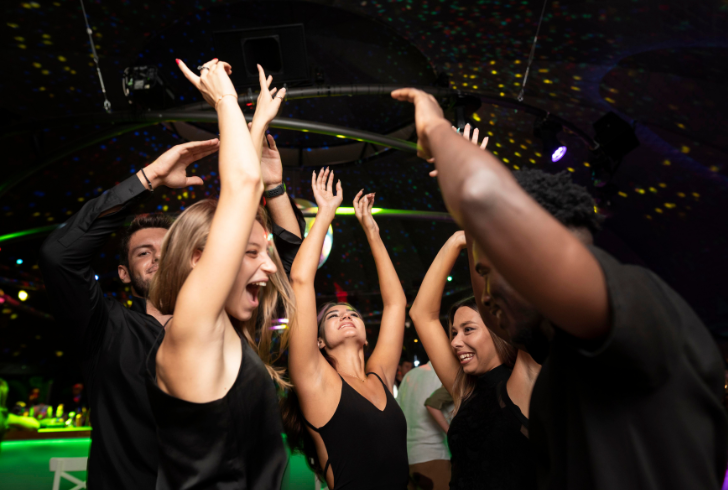
Many adults returning to nightlife now seek that feeling again. Yet modern club spaces can sometimes feel disconnected, especially in venues built around trends rather than atmosphere. Smaller crowds, fragmented music styles, and heavily curated social environments have left many longtime clubbers searching for something more meaningful.
Why Modern Clubbing Feels Different
The atmosphere shifted dramatically at events like International Music Summit, commonly known as IMS. The annual gathering has long focused on electronic music culture, artists, and industry trends. This year, conversations around health and sustainability drew significant attention.
Organizations such as The Art of Areté helped bring wellness discussions into spaces once associated mainly with excess. Panels explored nutrition, gut health, disrupted sleep cycles, mental health pressures, and the physical demands of constant touring.
Names including Ben Turner, Tracie Storey, and Blaise DeAngelo highlighted how quickly attitudes are changing inside the industry.
Sessions also included wellness practices such as guided meditation with Pete Tong and Ayurveda discussions led by Caroline Tong. Topics that once sat outside nightlife culture now hold space beside conversations about artists, technology, and performance schedules.
The Rise of Conscious Clubbing
A noticeable trend within electronic music is the rise of sober clubbing and more intentional nightlife experiences. Younger audiences increasingly question alcohol-centered social culture, while older generations seek environments that feel welcoming rather than exclusive.
This shift has created room for new formats. Music-led wellness gatherings are gaining attention. Smaller community-focused events are also growing in popularity. Breathwork paired with DJ sets is becoming a distinct experience. Daytime dance sessions are attracting wider participation. Sober nightlife spaces are also emerging as a steady alternative.
Artists like DJ N1nja reflect this transition by combining music with guided breathing and immersive movement experiences.
The goal is not to remove the excitement from club culture. Instead, the focus is changing toward experiences that leave people feeling energized rather than depleted. Many organizers now recognize that emotional safety, inclusivity, and physical wellbeing influence how long audiences stay connected to nightlife.
Ibiza’s Role in the New Wellness Movement
Ibiza has long balanced two identities. One side centers on beaches, calm retreats, and restorative travel experiences. The other remains deeply tied to electronic music history and legendary clubs.
Venues like Pacha Ibiza and Amnesia Ibiza continue to shape global nightlife culture, yet their audiences are becoming more diverse and intergenerational. Dancefloors now include longtime clubbers alongside younger crowds, creating a stronger sense of inclusivity than many mainstream venues offer.
At Amnesia Ibiza, the connection between music and emotion remains central to the experience. The club’s roots in Balearic sound culture emphasize feeling and atmosphere over rigid formulas. Inside these spaces, music becomes immersive rather than performative.
The closing event at Dalt Vila during IMS captured that energy clearly. Performances from Pete Tong, Faithless, and Indo Warehouse created an atmosphere that felt communal rather than commercial. Open-air dancing beneath the historic walls of Dalt Vila highlighted how electronic music can create collective emotional experiences that go far beyond nightlife stereotypes.
Dance as a Form of Modern Wellness
The wellness industry often focuses on routines, supplements, and self-optimization. Yet dance remains one of the oldest forms of emotional regulation and community healing. Across cultures and centuries, movement has been tied to celebration, grief, ritual, spirituality, and social connection.
Today, many psychologists and movement specialists view dance as an accessible wellbeing practice. It naturally blends physical movement, emotional release, social interaction, sensory stimulation, and present-moment awareness in a single activity.
Unlike isolated fitness routines, dancing creates shared experiences. That group energy can reduce feelings of loneliness while improving mood and confidence.
The growing popularity of conscious nightlife suggests audiences want more than passive entertainment. People increasingly seek spaces where music supports connection instead of distraction.
How Electronic Music Culture Is Evolving
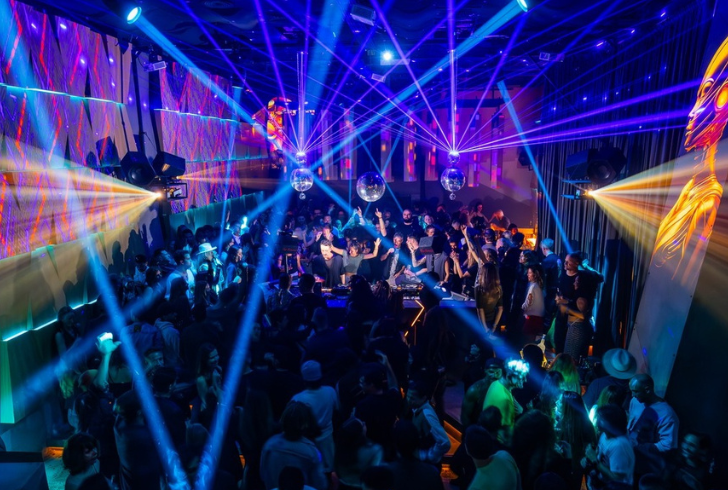
The electronic music scene itself is entering a new chapter. Events like the Beatport Awards highlighted a wider mix of artists, sounds, and creative voices entering the industry. Diversity within lineups and audiences continues to expand, while conversations around mental health and sustainability gain visibility.
Technology still shapes the industry, but the strongest focus increasingly returns to human connection. Community-driven events, intimate parties, and immersive music gatherings continue to attract audiences looking for authenticity rather than spectacle alone.
This cultural shift may also help remove outdated ideas about age and nightlife. Dancing is no longer being framed as something tied only to youth culture. Instead, it is becoming part of a broader lifestyle centered on movement, expression, and shared experience.
Why the Dancefloor Still Matters
Modern life often leads to isolation, screen overload, and constant stimulation. In that setting, group movement gains clear importance. Dance brings attention back to the body and breaks the pull of digital distraction.
Many people are returning to dancefloors after long breaks, driven less by nostalgia and more by the need for reconnection. Music builds temporary communities where social boundaries fade and shared emotion takes center stage.
Nightlife is also shifting toward more balanced formats. Sober events, conscious gatherings, and music-focused wellbeing spaces point to a changing direction.
The next phase of club culture is moving toward emotional awareness and inclusion rather than excess. Spaces built around music and movement continue to resonate because they meet a basic human need for rhythm, release, and connection.