

Love connects people everywhere, yet the way dating unfolds changes sharply from one region to another. Cultural values, family expectations, religion, and social habits all shape how relationships begin and grow.
In some societies, dating feels independent and relaxed. In others, it carries structure, tradition, and family involvement from the start.
Understanding these differences reveals how connection takes many forms while still aiming for the same outcome: meaningful partnership.
USA and Europe

Dating in the United States and much of Europe often centers on personal choice. People typically meet through dating apps, social events, nightlife, or mutual friends. Early stages stay informal, with casual meetups commonly described as “hanging out” rather than formal courtship.
Relationships usually develop without early family involvement. Parents tend to step in only when things become serious, often after a year or more. While family opinions can matter, final decisions stay with the couple.
In many Western settings, dating multiple people at once during early stages is normal. It allows individuals to compare compatibility before committing. Financial expectations also vary by region. The United States often leans toward splitting expenses evenly, while in parts of Southern and Eastern Europe, men may traditionally cover more costs.
Romance exists, but it is not structured. The focus stays on comfort, compatibility, and shared enjoyment without heavy pressure.
India
Dating in India reflects a blend of tradition and modern influence. While urban dating apps have grown, arranged marriages remain widely practiced. This system is often described as “assisted matching,” where families or matchmakers help identify suitable partners.
Marriage is commonly viewed as a union between families, not just individuals. Because of this, family opinion carries significant weight. Even when couples meet independently and begin dating, approval from relatives can strongly influence whether the relationship continues.
Meeting a partner’s family marks an important milestone. It often signals seriousness and long-term intent. Some individuals find that this structure reduces uncertainty, while others feel it adds pressure. Both arranged and love-based relationships coexist, shaping a diverse dating landscape.
China
Dating culture in China often carries a strong focus on long-term stability. Many individuals approach relationships with marriage in mind from early stages. Career progress, financial security, and home ownership frequently enter conversations sooner than in more casual dating environments.
Social pressure becomes noticeable for single women in their late twenties. The term “sheng nu,” translated as “leftover women,” reflects this pressure and carries a negative tone in society.
Family involvement plays a major role. Parents may influence partner choices or even participate in matchmaking. In many cases, seeking parental approval before proposing is considered respectful and expected.
The overall approach tends to prioritize practicality and future planning over casual dating experiences.
The Mediterranean

Dating across Mediterranean regions carries strong emotional energy and expressive behavior. Romance often feels intense, with relationships marked by passion and visible affection.
In places like Egypt, dating can involve unpredictable dynamics. Relationships may shift quickly between closeness and distance, with some experiencing periods of strong attention followed by sudden silence. These patterns are sometimes viewed locally as part of romantic interaction rather than inconsistency.
Across countries like Greece, family remains close to personal relationships, but partners are usually introduced only when commitment is clear. Social life plays a large role in dating, with meetings often taking place in bars, cafés, beaches, or group gatherings.
Public affection is common and socially accepted. Holding hands or hugging in public signals connection. Men typically handle most financial responsibilities, reflecting traditional expectations tied to courtesy and role structure.
Northern Europe
Dating in Nordic countries stands out for its equality-driven approach. Relationships are built on balance, with both individuals sharing responsibilities from the beginning.
Expense-sharing is standard, even for small purchases like coffee. This reflects a strong cultural value placed on independence and fairness. While some outsiders may interpret this as emotionally reserved, it is seen locally as respectful and practical.
Dating often progresses slowly. People may spend extended time together before labeling the relationship. Early interactions focus on comfort rather than grand gestures or intense romance.
Public displays of affection remain subtle. Emotional connection develops through steady interaction rather than dramatic expressions. The emphasis stays on mutual respect and equal footing rather than traditional roles.
Latin America
Dating in Latin America is expressive, social, and physically affectionate. Public displays of affection are widely accepted and often expected. Couples commonly hold hands, hug, or show closeness in public without hesitation.
Social perception plays a role in behavior. A couple walking without visible affection may even be assumed to be experiencing conflict. Romance is often active and visible.
Family connections are important, and new partners are usually introduced early. Households tend to be involved in relationship life, reflecting strong family ties.
Traditional gender expectations still exist in some areas, though younger generations are shifting toward more balanced roles. Social activities like dancing, clubbing, and group gatherings are common dating environments, where energy and connection take center stage.
East Asia
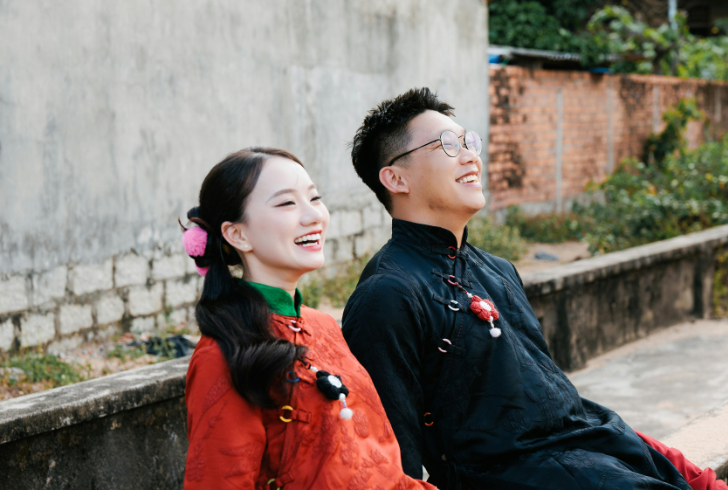
Dating in countries such as Japan and South Korea tends to be subtle and structured. Public displays of affection are rare, and relationships are generally kept private.
In Japan, “kokuhaku,” meaning a formal confession of love, is a key step. Before this moment, individuals often consider themselves just acquaintances. Once a confession is accepted, the relationship officially begins, removing ambiguity.
After becoming a couple, public affection is minimal. Couples usually express care through actions rather than physical displays, often prioritizing thoughtful behavior and reliability.
Social expectations and traditional roles can still influence relationships, especially in professional and family contexts. In recent years, both Japan and South Korea have experienced declining dating and marriage rates, prompting gradual cultural and policy discussions aimed at improving relationship and family life.
The Middle East
Dating in countries such as Saudi Arabia, Iran, and Afghanistan follows strict cultural and religious frameworks. Relationships before marriage are often limited or socially restricted, and in some areas, considered unacceptable.
When couples spend time together, supervision or family presence may be required. Privacy and discretion are strongly emphasized, and public displays of affection are generally not allowed.
Romantic relationships typically begin with marriage as the expected outcome. This creates a structured path where commitment is central from the start.
Men are traditionally expected to manage financial responsibilities and provide support within marriage. Once married, couples often experience greater freedom in expressing affection within private spaces.
Dating across the world reflects a wide spectrum of values shaped by history, culture, and social expectations. Some societies prioritize independence and casual exploration, while others focus on family involvement, stability, or structured commitment from the beginning.
Despite these differences, the foundation remains consistent everywhere: building trust, connection, and long-term compatibility in ways that align with cultural context and personal values.