

The idea of living forever has long captured scientific and public attention. Yet even if medicine eventually removes many major causes of aging, the human body may still face biological limits.
A new mathematical study suggests that humans could potentially live far longer than they do now, but not indefinitely. Under highly idealized conditions, researchers estimated a median life span of 146 to 194 years when most reversible aging processes were removed and only naturally acquired DNA mutations remained.
The study, published in npj Aging, does not claim that people will soon live to 194. Instead, it examines what might happen if researchers could eliminate many of the biological processes linked to aging.
The results offer a different way to think about longevity: human aging may not depend on one biological mechanism, but on several processes that interact over time.
DNA Mutations May Set a Biological Limit
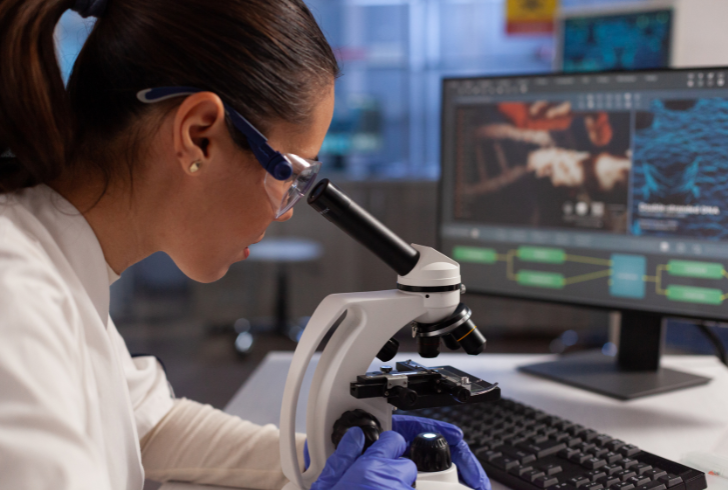
Researchers in Russia developed a computational model to examine somatic mutations, which are DNA changes that develop during a person’s lifetime rather than being inherited from parents.
Cells constantly copy and repair DNA. Small errors can occur during this process, and most cause little harm. Over decades, however, mutations can accumulate. Some may interfere with normal cell function, while others can contribute to cancer or cell death.
The researchers first created a theoretical model without aging. In that scenario, people could die from causes such as infections or accidents, but aging itself did not contribute to death. They then added mutation-related damage and gradually introduced greater biological complexity.
This approach helped researchers examine which organs might become limiting factors when mutations continue to build up.
The Brain and Heart May Become Major Bottlenecks
The model produced an important difference between tissues that can regenerate and those that cannot easily replace damaged cells.
Brain neurons and heart muscle cells emerged as major limitations because many of these cells divide very little after adulthood. When mutations damage or kill them, the body has limited ability to replace them with new cells.
Regenerative organs showed a different pattern. The liver, for example, can replace damaged cells and maintain its function for long periods. In the researchers’ simulations, liver function remained viable for extremely long periods, in some cases reaching tens of thousands of years.
That result does not mean humans could actually live for thousands of years. Instead, it suggests that regenerative tissues may not determine the upper boundary of human longevity. Organs with limited cellular replacement may matter more.
When four major organ systems were combined, the researchers estimated a median life span of about 156 years, with a projected range of 146 to 194 years.
The same modeling method produced a theoretical maximum of 210 to 557 years. Those figures are far above the longest verified human life span of 122 years, recorded by Jeanne Calment.
The Model Does Not Explain Every Part of Aging
The study’s results also show why somatic mutations cannot fully explain human aging.
When the model removed aging processes while keeping mutation-related damage, the theoretical life span exceeded 1,700 years. That huge difference suggests that mutations represent only one part of the biological aging process.
R. Osvaldo Navia, MD, clinical director of the Tulane Center for Aging at Tulane University, said the findings support the idea that aging involves several connected mechanisms rather than one controlling factor.
“The study supports the view that aging is a multifactorial process,” Navia said, noting that no single hallmark of aging is likely to explain normal human aging by itself.
James Powers, MD, a professor of geriatric medicine at Vanderbilt University, also pointed to the study’s potential scientific value. He said the research could contribute to “intriguing potential new approaches to promote longevity.”
Still, the model has clear limits. It does not include several recognized features of aging, such as mitochondrial dysfunction and chronic inflammation. It also does not consider future treatments that could potentially reduce the accumulation of somatic mutations.
Powers said the findings challenge the idea that DNA mutations alone determine how long humans can live. The model allows mutations to continue while still producing a longer potential life span, suggesting that other biological factors also influence longevity.
Living Longer Is Not the Same as Living Healthier
Longevity research increasingly separates two related ideas: life span and health span.
Life span refers to the total number of years a person lives. Health span describes the years spent with good physical and cognitive function, without major disease or disability.
That distinction matters because adding years does not automatically mean adding healthy years. A person may live longer while spending more time dealing with chronic illness, limited mobility, or cognitive decline.
Current evidence still supports several practical ways to improve health and reduce the risk of early death. Regular physical activity remains one of the strongest options. Exercise can help protect cardiovascular health, maintain muscle strength, support mobility, and lower the risk of diabetes, several cancers, and cognitive decline.
Avoiding tobacco also remains important. Smoking damages multiple organ systems and raises the risk of cancer, heart disease, stroke, and chronic lung disease.
Other factors linked with better health outcomes include:
1. Healthy blood pressure
2. Lower LDL cholesterol
3. Consistent, quality sleep
4. Strong social connections
These habits clearly help reduce the risk of major diseases. However, researchers still cannot say with certainty that they directly slow every biological mechanism responsible for aging.
Fitness May Matter More Than Longevity Trends
Bert Mandelbaum, MD, a sports medicine specialist, orthopedic surgeon, and co-director of the Regenerative Orthobiologic Center at Cedars-Sinai Orthopaedics and Sports Medicine in Los Angeles, highlighted VO2 max as an important measure of longevity.
VO2 max reflects how efficiently the body takes in, transports, and uses oxygen during exercise. Higher cardiorespiratory fitness has been associated with lower risks of chronic disease and premature death.
The finding adds perspective to the growing interest in supplements, peptides, and other longevity-focused interventions. These areas continue to attract attention, but there is no single pill, peptide, nutrient, or procedure proven to make humans live dramatically longer.
Mandelbaum described longevity as the result of several factors rather than one product or intervention. He emphasized food, drinking habits, mental well-being, daily activity, and especially exercise.
That approach also fits the central lesson from the new modeling research. Human aging does not appear to have one simple switch that can be turned off.
What the 194-Year Estimate Really Means

The 194-year figure is a theoretical estimate, not a forecast for today’s population. The researchers created conditions that do not currently exist in real-world medicine. Their model removed many aging-related processes and focused heavily on the effects of somatic mutations.
The study therefore does not establish that humans can reach 194 years through current treatments. Instead, it helps identify biological barriers that future therapies may need to address.
It also suggests that removing one cause of aging may not be enough. If one damaging process is controlled, other systems may continue to deteriorate. Brain cells, heart cells, immune function, inflammation, mitochondria, and other biological systems could each affect how long the body remains functional.
What Researchers Still Need to Learn
Future studies will need to look at how multiple aging processes work together and whether slowing them can extend healthy life. The study’s estimates also show that no single biological factor appears to determine the full limits of human longevity.
The 194-year estimate remains theoretical, not a prediction of how long people can live with current medicine. Somatic mutations may contribute to aging, especially in cells that have limited ability to regenerate, but other biological changes also play a role.
For now, improving health and maintaining physical function remain more realistic goals than pursuing extreme life extension. Regular exercise, disease prevention, healthy habits, and preserving independence may matter more than any single anti-aging treatment.
The bigger question is not simply whether humans can reach extreme ages, but how many years can be added while preserving good health and quality of life.